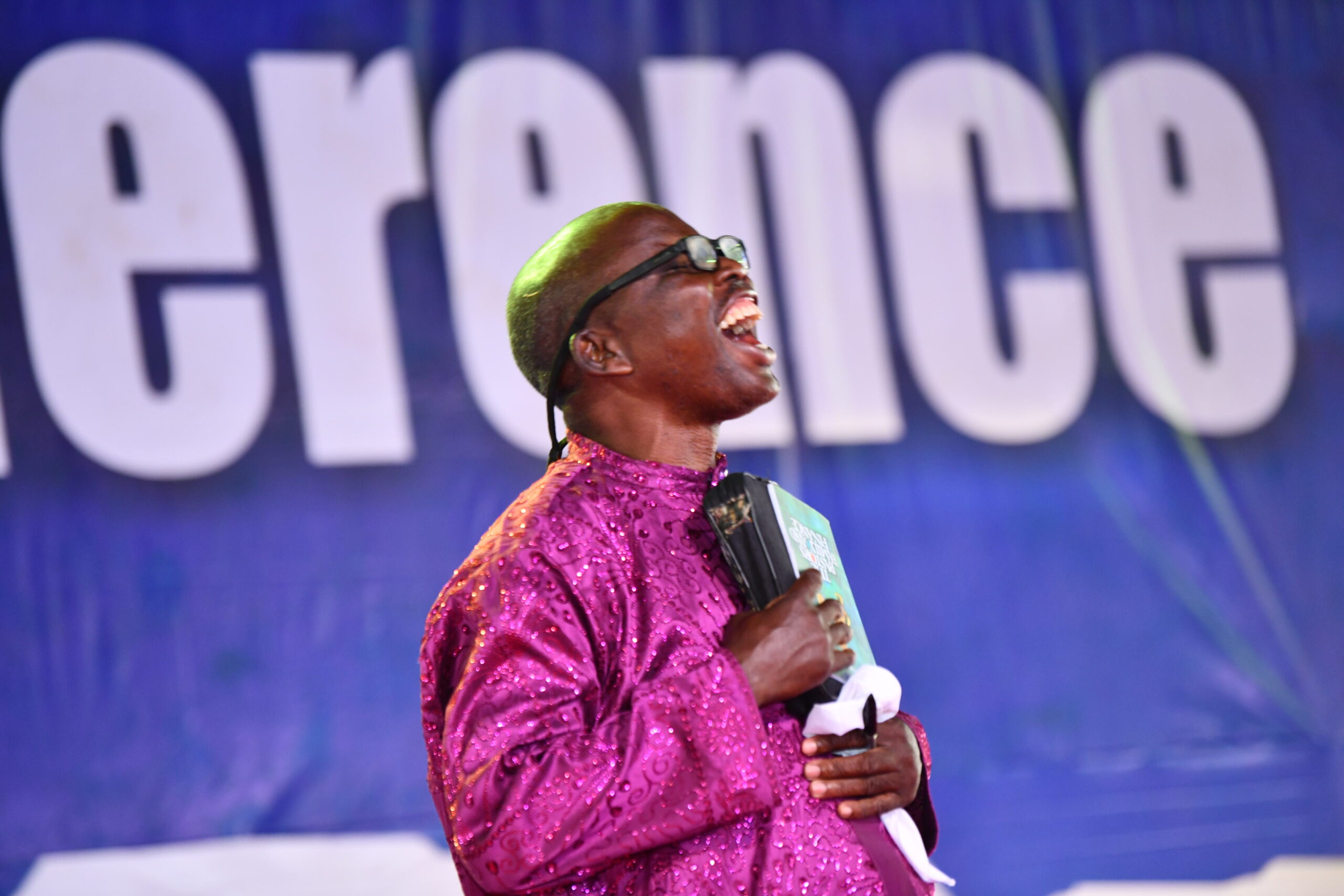

There is a recent development in the Church of England/Anglican Communion. Dame Sarah Mullaly was confirmed as the 106th Archbishop of Canterbury on January 28th.
I want us to debate this issue on this platform, but please be very decent and disciplined. If not, I will delete your comments, and if you are very unruly, I will block you Some people will ask: Why should a woman become the Archbishop of Canterbury, and by extension lead several Anglican congregations? First of all, Dame Sarah Mullaly is eminently qualified.
She is:
A trained nurse and midwife, with several professional recognitions, A theologian, Former Bishop of London, A consecrated bishop with years of episcopal experience
Scripturally, in Galatians 3:28–29, the Bible says there is neither male nor female, Jew nor Greek, that we are all sons of God. Some theologians argue that this passage speaks strictly about salvation, not church roles. They say that equality in Christ does not erase functional distinctions—just as men cannot get pregnant.
However, in Acts 21:9, the daughters of Philip the Evangelist, one of the seven deacons, were prophesying. They were not prophesying in the bathroom, kitchen, or farm.
They were prophesying in the congregation. That means God could speak His mind through them.
This aligns with Acts 2:17–18, where God said He would pour out His Spirit on all flesh, and your sons and daughters shall prophesy. Now, in 1 Timothy 2:12, Paul said:
“I do not permit a woman to teach or to have authority over a man.” That was Paul speaking. I don’t know if God specifically told him to say that.
You must also remember that the Corinthian church and some early churches were very rowdy and disorderly. There was polygamy in some of those churches, and some women could stand up and say nonsense. There was a need to establish order, often under the leadership of their husbands.
That is why leadership qualifications included “husband of one wife”, because polygamy existed then. I am not encouraging polygamy, but historically, it existed, though polygamists could not hold leadership positions.
Now let’s look at the Old Testament. In Exodus 15:20, Miriam, Moses’ sister, was a prophetess and leader. In Judges 4 and 5, Deborah was not only a prophetess, she was also a judge—equivalent to a king or queen She was a national leader, a military strategist, and she went to war She held three offices, and God did not rebuke her.
In more recent church history, Aimee Semple McPherson (1890–1944) founded the Foursquare Gospel Church. She was a woman. There was also Maria Woodworth-Etter, who preached powerfully with notable signs and testimonies following her.
Now to African history
Queen Nzinga (Nzinga Mbande) of Angola. A warrior, strategist, and diplomat, Defeated the Portuguese Her statue stands in Luanda, holding a spear and wearing leopard skin.
Queen Amina of Zazzau (Zaria) Empress Taytu Betul of Ethiopia, wife of Emperor Menelik II, Named Addis Ababa (“Land of Beautiful Flowers”). Played a major role in the Battle of Adwa, where Ethiopia defeated Italy.
So historically—biblically and African—we have had strong women leaders, just as we see in the Scriptures.
What is your opinion on the consecration or enthronement of Dame Sarah Mullally as the 106th Archbishop of Canterbury?
I have presented a balanced view.
Let us discuss with wisdom, maturity, and respect


